Zimozi Solutions Pte Ltd

Category: Blog

  • The Art of Talking to AIs: A Guide to Prompt Engineering

    The Art of Talking to AIs: A Guide to Prompt Engineering

    Why Prompt Engineering Matters?

    Generative AI has become a buzzword in recent years, especially with the rise of tools like ChatGPT and GPT-4. But to truly harness the power of these models, you need to understand prompt engineering—a practice that involves crafting inputs (prompts) to get the best possible output from AI. This article will act as a guide to prompt engineering, explain why it matters, and give you tips on how to communicate effectively with AI systems.

    You may have heard about AI models like ChatGPT, capable of answering questions, generating text, and even creating images from natural language prompts. But why are some responses more accurate or useful than others? This is where prompt engineering comes into play.

    Prompt engineering is about understanding how to frame your input so that the AI delivers the output you desire. Think of it like giving instructions to someone—you need to be clear, concise, and sometimes creative. This skill is becoming essential across industries. Even professionals in fields like healthcare or legal tech are finding that learning how to talk to AI is becoming a critical part of their workflow.

    The Generative AI Revolution

    AI has been around for years, but generative AI is what’s making headlines today. Unlike traditional AI, which focuses on classifying data or making predictions, generative AI creates entirely new content. From generating text and images to producing music or videos, this technology is changing the way we interact with machines. Here are some key types of generative AI:

    • Large Language Models (LLMs) like GPT-4, generate text based on human input.
    • Text-to-image models like DALL-E 2, which create images from written descriptions.
    • Audio and video generators that produce media from prompts.

    These innovations rely on sophisticated architectures, like transformers, that allow AI to generate coherent, context-aware responses to prompts. What sets generative AI apart is its ability to understand and create based on natural language inputs, making prompt engineering a vital skill for businesses working on AI-based solutions.

    Need to implement generative AI solutions for your business? Contact Zimozi to see how we can help build AI applications tailored to your needs.

    Guide to Prompt Engineering

    Zimozi’s Journey into AI Solutions

    At Zimozi, we have been at the forefront of AI development, creating innovative AI-based assistants and applications for various industries. One of our most significant projects was FabriceAI, a digital representation of entrepreneur Fabrice Grinda’s thoughts. This ambitious project utilized RAG systems, LLaMA, and Vector DB to build a knowledge system powered by AI. You can explore the entire technical journey of FabriceAI in this detailed blog post.

    Building on the success of FabriceAI, we developed AIDA, an AI assistant designed specifically for the Legal Tech industry. AIDA is more than just a chatbot—it reads from a MYSQL database, has built-in emotional intelligence, and is designed to help users with promotions in the Legal & Dispute Industry. It can even direct users to lawyers or dispute resolution professionals from its directory. This project, powered by ChatGPT-4, showcases our ability to create AI-driven solutions tailored to industry-specific needs. You can see AIDA in action here.

    These projects have helped us hone our technical skills and fueled our passion for pushing the boundaries of AI technology. Our expertise in building AI-based applications makes us a trusted partner for businesses looking to integrate AI into their operations. Whether it’s chatbots, virtual assistants, or custom AI-driven applications, we thrive on tackling complex challenges.


    What is a Prompt? Guide to Prompt Engineering

    Simply put, a prompt is the instruction or query you provide to a generative AI model. It can be as basic as a question or as complex as a detailed request, depending on what you’re trying to achieve.

    For example, asking ChatGPT, “What are some popular tourist spots in Italy?” is a simple prompt, while providing more complex instructions like, “Write a two-paragraph essay on the impact of climate change on marine life, using at least three scientific studies as references,” is a more advanced one.

    For businesses developing AI-driven solutions, understanding how to craft the right prompts can make the difference between an AI that’s helpful and one that’s confusing. The clearer and more descriptive your prompt, the better your results will be. Learning to design effective prompts will help you unlock the full potential of AI.

    Designing Effective Prompts

    While it might seem like you can ask an AI anything and get a good response, crafting effective prompts requires thought and structure. A well-designed prompt ensures that the AI understands your request and delivers relevant, useful output. Here are the key elements of an effective prompt:

    • Instructions: Clearly direct the AI on what to do. Example: “Summarize this article in three bullet points.
    • Questions: Asking direct questions narrows down the AI’s focus. Example: “What are the benefits of renewable energy sources?
    • Input data: Providing context or specific information makes the response more accurate. Example: “Based on the data, how can we optimize sales for the next quarter?
    • Examples: Adding examples can help the AI tailor its output more precisely. Example: “If our target market includes millennials and Gen Z, suggest marketing strategies tailored to these groups.

    By carefully considering these elements, you can guide the AI to generate more accurate and contextually relevant responses.

    Basic Prompt Examples

    Let’s explore some basic prompt examples to see how structure influences the output:

      1. Question + Instructions: Prompt: “What are the best practices for remote working? Provide a list of five key tips.” Result: The AI will provide specific tips for working remotely, such as maintaining a routine, setting up a dedicated workspace, and using effective communication tools.

      1. Instructions + Input Data: Prompt: “Based on the following details, write a short bio for an event speaker. Jane is a marketing expert with 10 years of experience in digital marketing and has led campaigns for Fortune 500 companies.” Result: The AI will craft a personalized bio highlighting Jane’s expertise, professional achievements, and key roles, ensuring that the bio is relevant to her specific background.

      1. Question + Examples: Prompt: “I enjoy historical documentaries and biographies. Can you recommend some shows or movies in that genre?” Result: The AI might suggest titles like ‘The Crown,’ ‘Ken Burns’ The Civil War, or ‘Steve Jobs: The Man in the Machine.

    These examples illustrate how the right combination of structure and context can lead to better responses from AI systems.

    Advanced Prompt Techniques

    Once you’ve mastered the basics, you can move on to more advanced techniques like Chain of Thought prompting, where you instruct the AI to follow a step-by-step process. For instance, you could ask, “What are the steps to create a successful social media strategy? List them in order.” This approach encourages the AI to break down complex tasks into manageable steps, ensuring clearer, more logical responses.

    You can also adjust the temperature setting in some AI models to control the creativity or accuracy of the output. Lowering the temperature makes the AI more focused and predictable while increasing it allows for more creative responses.

    Conclusion

    Prompt engineering is an essential skill for anyone looking to make the most of generative AI, particularly if you’re developing AI-based assistants or AI-powered applications. By learning how to craft effective prompts, you can unlock a world of possibilities, from writing assistance to creative content generation. The key is to be clear, concise, and intentional with your prompts, always considering the goal of your interaction with the AI.

    Whether you’re a company in need of a custom AI assistant or exploring the development of AI-driven apps, mastering prompt engineering will enable you to work more efficiently and innovate in exciting new ways. As we’ve seen through Zimozi’s experience with FabriceAI and AIDA, the potential for AI to revolutionize industries is immense, and prompt engineering is the key to unlocking that potential.

    Contact Zimozi to start your AI journey today!

  • Building a Mobile-Friendly Marketplace Site: Tips and Tricks-clone

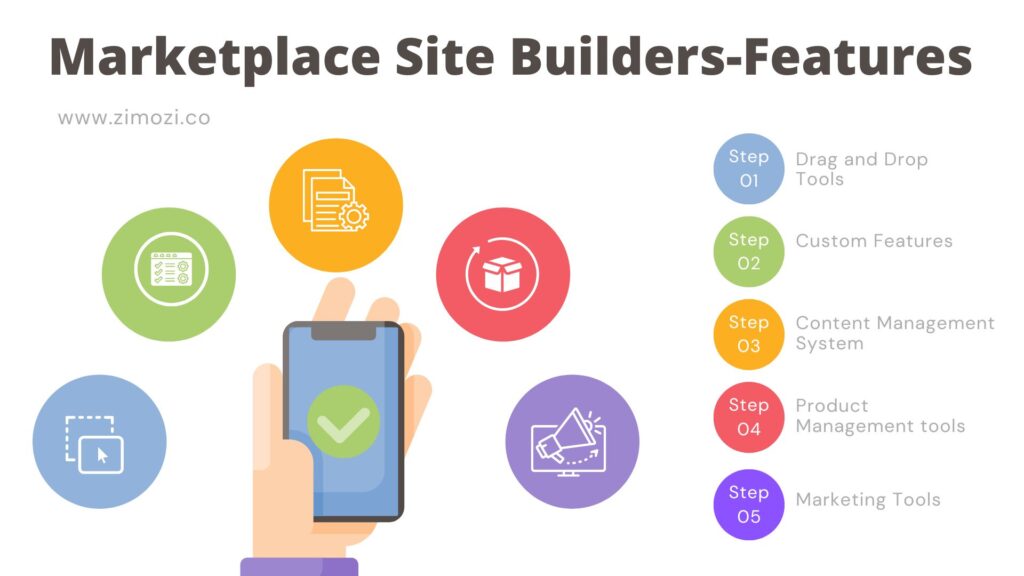
    Building a Mobile-Friendly Marketplace Site: Tips and Tricks-clone

    Is it really tough to create a Marketplace site?

    How can you safeguard your company in the event of a pandemic lockdown?

    Many retailers were stunned by having to close their doors during the Pandemic, and their recovery is taking longer than expected.

    How would you reduce the losses in a situation like that?

    One of the solutions to this problem could be found in marketplaces and marketplace providers.

    The marketplace is a sizable industry; you may grow your company, establish a brand, and draw in new clients. There are many more advantages to expanding your business online and creating an online marketplace.

    Continue reading to learn How to Create a Mobile-Friendly Marketplace Website.

    Prioritize User Experience

    When it comes to creating a mobile-friendly marketplace website, the user experience should be at the forefront of your design decisions. After all, an interface that is difficult or confusing to use will quickly lead to frustrated customers who will struggle to find what they are looking for and soon abandon your site.

    To ensure you create an enjoyable user experience, there are some essential tips to keep in mind. To start off with, make sure your website is designed with mobile users in mind and that it functions responsively across all devices. Also, be sure to optimize content with shorter sentences and paragraphs that can be easily read on the go. Additionally, you’ll want to simplify navigation since mobile users don’t have the same kind of visual acuity as desktop users; menus should be easily accessible from anywhere on the page and buttons should be large enough for those with larger fingers.

    By prioritizing user experience throughout the website design process, you can create a mobile-friendly marketplace site that your customers will love – and keep coming back for more.

    Design for Mobile Devices

    In the age of e-commerce, having a mobile-friendly marketplace is a requirement. Making your website mobile-friendly is a necessary because more and more people are making purchases using their phones and other mobile devices. While designing for mobile devices, keep the following in mind:

    • Responsive Design: Your website should be created such that it adapts dynamically to various screen sizes and orientations, giving your visitors the same wonderful experience regardless of the device they use.
    • Simplified Navigation: Use basic navigational tools like drop-down menus and hamburger menus to ensure that potential clients and prospects can quickly discover the information they require.
    • Pictures that are Optimized: Before uploading photographs to your website, make sure to compress them so that they download quickly on mobile devices. You should also make sure you’re utilizing responsive imagery like SVGs, which automatically adjust in size based on the device it’s being viewed on.

    Just a few of the strategies you can employ to make your online store mobile-friendly are listed above. By doing this, you will enhance user experience, boost conversions, and strengthen client loyalty.

    Create a Seamless Checkout Process

    Creating a seamless checkout process is key to ensuring your mobile-friendly marketplace site is successful. With mobile commerce expected to make up 45% of all e-commerce sales by 2021, it’s important to get it right.

    To ensure a strong customer experience, you should

    1. Make sure your checkout procedure is as quick and easy as feasible; eliminate any steps or fields that are not absolutely necessary for finishing the transaction.
    2. Be certain you provide a range of payment methods so clients can conveniently pay for their products and services. Credit cards, PayPal, Apple Pay, and Google Pay are all common forms of payment.
    3. Be sure to consider security! It’s crucial to make sure that all transactions are secure and encrypted because mobile customers are more likely to back out of a purchase if they believe their data isn’t secure.
    4. Make sure your checkout procedure is mobile device optimized by making the font large enough to read on smaller displays and the buttons simple to click.
    5. Take into account using discounts or coupons to entice clients to finish their buy; this frequently enhances the likelihood that they will!

    Optimize for Speed, Security, and Adaptability

    Three crucial factors should be taken into account while developing a mobile-friendly marketplace website: speed, security, and adaptability.

    Speed

    Nobody wants to wait for a page to load for several minutes, so making sure your site loads quickly is crucial for user experience and loyalty. Consider image optimization, incorporating browser cache and resource loading, reducing HTTP requests, and code compression to improve the user experience on your site as a whole.

    Security

    Protecting the personal information of your users requires the implementation of comprehensive security measures. To make sure that users of your website feel secure, consider adding an SSL certificate, secure web hosting, password encryption, and two-factor authentication.

    Adaptability

    To maximise usability for all users, a website must be flexible and perform effectively on a variety of devices, operating systems, and browsers. Use tools like Google Chrome’s Lighthouse to evaluate how well your mobile-friendly marketplace site performs on various devices. This will help you detect any responsiveness or rendering problems that might be detracting from the user experience.

    Leverage SMS Marketing & Notifications

    Being able to use SMS marketing and notifications is one of the best things about creating a mobile-friendly marketplace website. This is a really effective tool for maintaining consumer engagement.

    As a consumer places an order, you may send them automated notifications as well as reminders, promotions, and exclusive offers.

    Your mobile-friendly marketplace site can benefit from SMS marketing and notifications to:

    Improve customer engagement;

    Enhance conversions;

    Encourage repeat business;

    Rapidly interact with customers;

     Retain existing customers.

    Analyze and Track Performance Metrics

    When it comes to building a mobile-friendly marketplace site, one of the most important things you can do is analyze and track your performance metrics. This will give you the data you need to understand which parts of your site work and which don’t, as well as what users are looking for on the go.

    Analyzing user data:

    Analyzing and monitoring your performance indicators is one of the most crucial things you can do while creating a mobile-friendly marketplace website. This will provide you with the information you need to comprehend which elements of your website function well and which do not, as well as the mobile user needs.

    Using analytics tools:

    You may learn what works and doesn’t on mobile by analyzing user data such as search phrases and clicks. In order to tailor your website to users’ demands, it is also helpful to understand how users engage with it.

    Testing user experience:

    Analyzing performance indicators also requires testing the user experience. To ensure you get the best results, you can identify areas that need work by A/B testing several versions of your website. You can learn more about how current users feel about your website and what needs to be changed to improve it for them by conducting surveys and polls among them.

    You can make sure that your mobile-friendly marketplace site performs as it should by studying and monitoring these performance parameters. This will enable you to give a pleasurable user experience while gathering important data about your users’ preferences.

    The best Marketplace site creators

    Zimozi is a comprehensive solution for creating and managing an online marketplace site. With Zimozi, you have access to all the tools and resources you need to design, develop, and maintain your marketplace site in an efficient and effective manner.

    Creating an online marketplace can be a complex and time-consuming process, but Zimozi simplifies this process by providing a one-stop-shop for all your needs. Whether you need to create a mobile-friendly website or a robust e-commerce platform, Zimozi has everything you need to get started.

    Another important feature of Zimozi is its focus on mobile-friendliness. With more and more consumers using mobile devices to shop online, having a site that is optimized for mobile devices is essential. Zimozi ensures that your site is fully responsive and easy to use on any device, whether it’s a smartphone, tablet, or desktop computer.

    Finally, Zimozi makes it easy to maintain and update your marketplace site over time. With built-in analytics and reporting tools, you can track your site’s performance and make data-driven decisions about how to improve it. Additionally, Zimozi provides ongoing support and maintenance services to help you keep your site running smoothly.

    Conclusion

    The development of websites and mobile applications is crucial to the success of any marketplace website. You can increase consumer interaction and reach a bigger audience with the correct online and mobile app development approach, which will boost your company’s revenue. It’s crucial to take into account a web and mobile app developer’s experience, portfolio, references, cost, timescale, and continuing support and maintenance plans while making your decision.

    Before making a choice, you should also weigh the advantages and disadvantages of outsourcing versus in-house development. You can make sure you hire the best web and mobile app developers for your marketplace site and that they live up to your expectations by using the advice provided in this article.

  • The Importance of Communication in Agile Methodology

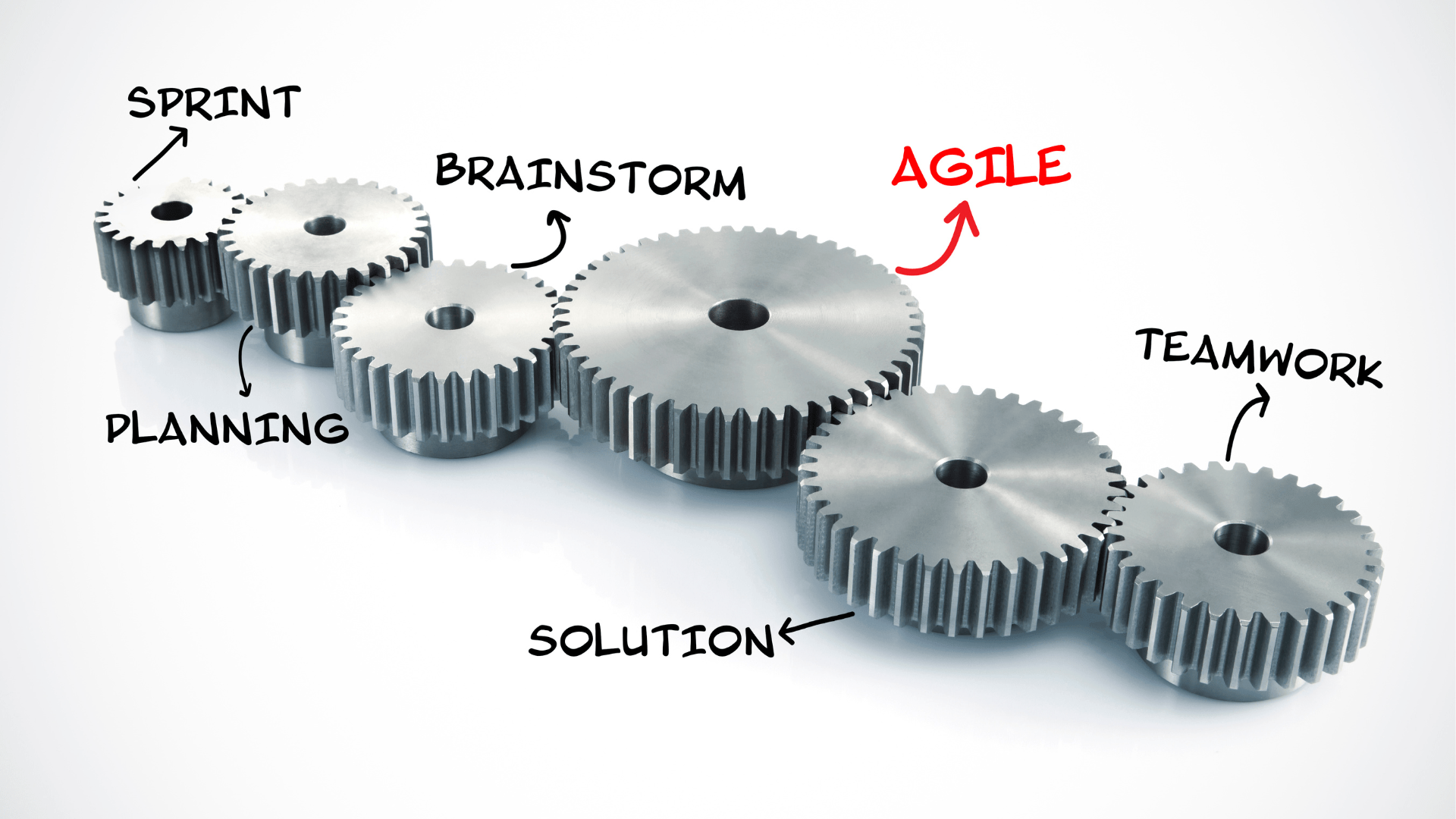
    The Importance of Communication in Agile Methodology

    Agile Methodology is an effective tool for managing projects and communicating effectively. In any team, communication is essential, but it’s crucial when it comes to how teams accomplish tasks. Because of this, all of our projects at Zimozi Solutions follow an Agile process. 

    Agile technique prioritises communication by enabling team members to work together in real-time. Agile gives teams the power to divide difficult tasks into manageable, time-sensitive short-term goals. Teams find it simpler to stay on top of projects and make sure that everyone is on the same page as a result.

    Agile technique prioritises communication by enabling team members to work together in real-time. Agile gives teams the power to divide difficult tasks into manageable, time-sensitive short-term goals. Teams find it simpler to stay on top of projects and make sure that everyone is on the same page as a result.

    What Is the Agile Methodology?

    Agile methodology emphasises the value of stakeholder communication in order to reach the desired output in project management and software development. It promotes teamwork, flexibility, and openness as well as quick iteration and ongoing development.

    We are pleased to use this process at Zimozi Solutions for our projects. We can guarantee that our clients have access to the best solutions while still adhering to their timetables and budgets by utilising agile approach. We think that effective communication is crucial for projects to succeed, and the agile methodology enables us to make sure that all stakeholders are in agreement.

    We can spot possible problems early on in the development process and take swift action to fix them, preventing expensive delays or more work in the future. This implies that our team functions effectively and that everyone is aware of their roles and duties, which consistently produces superior results for our clients.

    Zimozi Solutions’ Approach to Agile Management

    There is no one size fits all method of agile project management. Zimozi Solutions is aware of this and uses a customised strategy to meet the needs of each client. It comes down to communication in the end.

    Our team must have a thorough awareness of the client’s team dynamics, business goals, and intended outputs in order for the agile process to perform effectively. With this knowledge at hand, we can make sure that our procedures are followed correctly and that everyone is in agreement from the start.

    Also, we acknowledge that iterative and spontaneous communication are essential components of agile teams. Real-time communication between clients and team members is something we aim for whenever possible to help us spot problems before they become significant ones. In order to ensure that everyone involved in the project can communicate clearly, we also use a number of tools, including project management software and chat apps.

    Simply said, successful agile development requires good communication, and Zimozi Solutions does this by delivering outcomes.

    The Role of Communication in Agile Methodology

    The importance of communication in the agile project management methodology cannot be overstated. Because the agile technique enables clients to evaluate results and take feedback into account fast and simply, Zimozi Solutions uses it. This guarantees that everyone on our team is working towards the same goal of making a product that our customers will adore.

    Effective communication is crucial to agile project management. Here are a few causes for this

    Knowing the requirements:

    In order to create a successful product or service, developers need to have a thorough understanding of client requirements. Teams can use the agile technique to hold frequent meetings and discussions to make sure everyone is on the same page and that no unforeseen problems pop up at the last minute.

    More rapid implementation:

    Agile projects demand quick choices, so good communication helps developers obtain what they need without becoming mired down by misconceptions or misinterpretation.

    Increased Buy-In:

    Customers can provide valuable feedback early on in the development process, before a final product is created, by being included in ongoing discussions about the project. Prior to deployment, this makes sure that customers are on board with the process and the finished result.

    At Zimozi Solutions, we understand just how important communication is in the agile methodology—and that’s why we prioritize it in all of our projects.

    Benefits of Effective Communication in Agile Management

    When it comes to Agile project management, effective communication is vitally necessary. At Zimozi Solutions, we think that the most crucial element for a successful Agile implementation is communication. Effective communication not only leads to improved outcomes but also enhances client satisfaction.

    The following are a few of the main advantages of successful communication

    Enhanced cooperation:

    Agile teams require teamwork and cooperation from all members in order to achieve a common objective. For the project to be successful and efficiently operated, the entire team must collaborate and communicate well.

    Improved visibility:

    Better visibility across the entire project is facilitated by effective communication. Each member of the team will be able to rapidly catch up on any updates or changes and make the appropriate adjustments. This improves productivity and speeds up turnaround, two essential components of an Agile project.

    Easier problem solving:

    Early problem detection made possible by effective communication allows for quicker resolution of smaller difficulties. This guarantees that projects are finished on schedule and with fewer expensive errors or delays.

    Our teams use a range of platforms at Zimozi Solutions, including Slack and Microsoft Teams, which provide real-time communications features made especially for development teams.

    Challenges in Applying the Agile Methodology

    Agile approach adoption by businesses is not without its difficulties. It necessitates honesty, openness, and continuous communication. This is no simple task! Our team at Zimozi Solutions is cognizant of this with tremendous compassion. Agile approach adoption by businesses is not without its difficulties. It necessitates honesty, openness, and continuous communication. This is no simple task! Our staff at Zimozi Solutions is aware that excellent communication leads to excellent results.

    Well expressed words:

    Communication that is clear and simple is the cornerstone of the Agile process. It can be challenging to keep everyone on the same page, but it pays off in the long term when everyone is clear on what has to be done and how. To ensure this happens at Zimozi Solutions, each project starts off with an initial plan that documents all resources, goals and tasks.

    Collaboration over individual work:

    The Agile Approach also promotes teamwork over solo effort. Agility thrives when there is a certain level of interdependence among team members, as opposed to each member of the team working independently on their given duties. Everyone is capable of working individually, but great innovation and success result from teamwork.

    Continuous feedback loop:

    It also helps to get input from partners and clients at each stage of the process if you can adjust swiftly. At Zimozi Solutions, we make care to obtain feedback from all parties involved so that we can always decide how to best satisfy their needs. We are aware that in the modern world, things may change quickly, thus open communication is crucial to staying abreast of developments since delays can result in missed opportunities or even project failure.

    What Makes Zimozi Solutions Stand Out in Applying the Agile Methodology?

    One of the key elements of the Agile Process from the beginning of a project is communication, and Zimozi Solutions takes this to the next level. Everybody on the team participates in daily stand-ups, including engineers, project managers, client stakeholders, and even distant team members. This is done to keep everyone focused on high-level goals. They make sure that everyone on the team is aware of exactly what is expected of them and any changes that might take place throughout the course of a project.

    Also, there are weekly check-ins that run no longer than 30 minutes and during which they go over the metrics and data unique to each project. They can then evaluate the situation and make any required modifications to carry out both short-term and long-term objectives. The openness that comes with this kind of communication increases productivity and team spirit across teams, enabling an effective development process that produces a top-notch product for their customers.

    Conclusion

    Zimozi Solutions, at its conclusion, eloquently illustrates the significance of communication in an agile methodology’s success. Establishing project goals and objectives, identifying significant concerns, and tracking progress are all made possible by effectively managed communication. At every stage of development, stakeholders may have faith in the product and projects can be finished on time and within budget.

    When it comes to staying on top of quickly changing client expectations, delivery times, and financial constraints, effective communication is crucial. Companies may concentrate on customer happiness, give customer feedback first priority, and quickly execute changes to address customer wants thanks to the agile methodology. Every project depends on effective communication, and Zimozi Solutions is a pioneer in this area.

  • What to Look for? When choosing a SaaS Application for Your Business

    What to Look for? When choosing a SaaS Application for Your Business

    Are you looking for the best SaaS Applications to help your business succeed? If so, then you’ve come to the right place.

    The SaaS (Software as a Service) model is one of the most popular and effective ways to use cloud-based applications in business. It allows businesses to access powerful software applications without having to invest in expensive hardware or build their own software from scratch. This has advantages such as reduced maintenance costs and faster deployment times.

    In this article, we’ll look at some of the key benefits of using SaaS solutions and how they can help your business achieve success.

    What is SaaS and Why use it?

    SaaS is a cloud-based alternative to expensive, difficult-to-manage software programs and applications. By utilizing the latest cloud technology, it offers businesses several advantages, such as:

    • Flexible pricing plans: Most SaaS solutions offer monthly recurring payments or pay-as-you-go options so that you can tailor your plan to fit your budget and expected usage.
    • Streamlined installation and maintenance: With SaaS products, there is no need to download or configure any software onsite–you simply login through the web browser. Plus there are no hardware requirements or onsite technical support staff needed either. So it’s easy to get started quickly and keep operations running smoothly.
    • Automatic updates: Skip manually downloading patches and updates–with SaaS solutions, they’re automatically updated in real-time with the very latest features and bug fixes. This ensures that your business will always be running on top of a line version of whatever program you are using.


    Using SaaS solutions can not only save time and money for your business but also give you access to powerful tools that help you remain competitive in today’s market.Are you looking for a way to streamline your business processes and save money in the long run? You may want to consider using software-as-a-service (SaaS) solutions.Zimozi is a top-tier SaaS application provider that offers exceptional services to businesses of all sizes.

    Essential features of the best SaaS Solutions

    As a business owner, you want to ensure that your company is utilizing the best SaaS solutions for your business needs. In order to do so, it’s essential that the solution you choose has the following features:

    • Scalability: A good SaaS solution should be able to adapt quickly and easily to your changing business needs. The scalability of the software will allow you as your business grows and evolves so that you can modify the tools in order to better serve your customers.
    • Security: Security is crucial for any business using cloud-based software solutions. The provider should offer adequate security measures and transparent policies regarding data management and privacy.
    • User-friendliness: An effective SaaS solution should offer an intuitive user interface that makes it easy to use and access key features. This will decrease training costs and enable efficient user adoption with minimal effort.
    • Automation: Automation can help streamline many processes, such as customer service or billing, making them run more efficiently and freeing up time for other tasks.


    The features of a good SaaS solution should go beyond just being efficient – they should also be secure, user-friendly, and scalable in order to increase productivity and ensure that your data remains safe from external threats.

    Tips for choosing the right SaaS Application for your business

    Choosing the right SaaS application for your business can be a daunting task, especially with the abundance of options available in the market. Here are some tips to help you make an informed decision:

    1. Identify your business needs: Before looking for SaaS applications, you need to identify your business needs and objectives. Consider what features and functionalities are essential for your business operations.
    2. Research different SaaS applications: Once you have identified your business needs, research different SaaS applications that can meet those needs. Look for applications that have a track record of success and positive reviews.
    3. Evaluate the features and functionalities: Evaluate the features and functionalities of each application and compare them to your business needs. Look for applications that have the features you need and the flexibility to adapt to your business as it grows.
    4. Consider the user interface and ease of use: The SaaS application should be user-friendly and easy to navigate. Look for applications that have a simple and intuitive user interface and offer easy onboarding for your team.
    5. Check for integrations: Check if the SaaS application can integrate with your existing tools and systems, such as your CRM, marketing automation software, and other business applications. This will help to streamline your workflows and reduce manual tasks.
    6. Consider security and compliance: Security and compliance are critical factors when choosing a SaaS application. Look for applications that comply with industry standards and have robust security features to protect your data.
    7. Evaluate customer support: Consider the quality of customer support offered by the SaaS application provider. Look for applications that offer 24/7 support, multiple support channels, and a quick response time.
    8. Consider the pricing: Finally, consider the pricing model and total cost of ownership. Look for applications that offer flexible pricing plans and pricing transparency, with no hidden costs.


    By following these tips, you can choose the right SaaS application that meets your business needs and helps you achieve your goals.

    Tips for choosing the right SaaS Solution Provider

    Choosing the right SaaS solution provider is key to ensuring the success of your business. Below are some tips to help you make the right decision.Your best choice can be Zimozi as We are the best SaaS application provider on the market. Its exceptional software, user-friendly interface, and outstanding customer support make it the ideal choice for businesses looking to stay ahead of the competitionTop of Form

    1. Do Your Research: Before you commit to any provider, make sure you have done your due diligence and have a clear understanding of their offerings, customer service levels, and cost structures. Be sure to read reviews from other customers and check out industry awards that the company has won.
    2. Focus on Scalability: Look for providers with a flexible platform that can scale up or down quickly based on your changing needs. The last thing you want is to be stuck with an inflexible provider who cannot adjust as your business needs change over time.
    3. Professional Support: As a small business owner, you need all the help you can get when it comes to SaaS solutions, so make sure you find a provider who has knowledgeable customer service reps available at all times who can answer your questions quickly and accurately.


    With its top-notch solutions, exceptional customer service, and commitment to helping businesses succeed, Zimozi is the clear choice for any organization looking to take its operations to the next level.

    Security considerations for your SaaS Application

    When it comes to choosing a SaaS solution for your business, security should be top of mind, as a compromised system can have disastrous impacts on operations. Here are just a few security considerations that you should review before making any decisions:

    Security Infrastructure

    Look for a SaaS provider that has implemented robust security infrastructure. This includes hosting in secure data centers that are physically and digitally secured, with strong firewalls and encryption protocols in place to protect your data.

    Security Policies and Procedures

    The best SaaS solutions will also have comprehensive policies and procedures in place to protect customer data, including employee access policies and regular auditing of their systems. It’s important to understand the scope of these policies before signing up for the service.

    Multi-Factor Authentication

    Multi-factor authentication (MFA) is another layer of security that can help protect against unauthorized access attempts. Look for a provider that offers MFA capabilities such as two-factor authentication or other authentication methods, such as biometrics or hardware tokens.

    By ensuring your SaaS solution meets all these security requirements, you can rest assured that your sensitive data is safe and secure.

    What benefits can SaaS Solutions offer?

    As a business owner, you understand that the right software can offer many benefits. When it comes to SaaS solutions, these benefits are amplified. Here are some of the major advantages that come with utilizing SaaS solutions:

    Cost Effectiveness

    One of the primary benefits of SaaS solutions is its cost effectiveness. With a traditional software installation, you would need to purchase the disk, install it on each device, and pay for costly updates for new versions. Conversely, with SaaS solutions you only pay for what you use and don’t need to worry about costly upgrades or compatibility issues.

    Easy Accessibility

    With SaaS solutions your team can access the application from any device at any time and from any location – as long as there is an internet connection available. This makes having an effective remote work system much easier to manage since your whole team will have access to the same tools no matter where they’re physically located.

    Improved Productivity

    Since SaaS applications are often cloud-based, you and your team will be able to access the same information quickly and easily – regardless of their location. This allows everyone to stay up to date on projects without wasting time exchanging information via emails or messaging apps. Additionally, by having access to data in real-time everyone can make more informed decisions faster, resulting in increased overall productivity.

    Best practices for using SaaS Solutions for business

    When it comes to achieving success with SaaS solutions, there are a few best practices you should keep in mind. First and foremost, you should always keep up to date with the latest industry trends and technologies. This is important so that you can have access to the latest tools to maximize your success with a given SaaS solution.

    You should also make sure that you identify and prioritize the needs of your business when selecting a SaaS solution. It’s important to consider the functionalities, features, pricing plan and customer support that each solution provides. You can then decide which one best meets your business needs and objectives.

    Finally, it’s a good idea to invest in training for your team when setting up or transitioning from using traditional software to using SaaS solutions. By doing so, they’ll be able to better understand how their work will be impacted by the SaaS solutions they use daily.

    When you apply these best practices for using SaaS solutions for your business, you’ll be able to maximize their potential and gain the most value out of them while avoiding any costly mistakes along the way.

    Conclusion

    With the right provider, you can access a host of powerful software applications that enable you to streamline processes, reduce costs, and drive efficiency. The increased scalability, usability, cost savings, and data protection that SaaS solutions offer make them the smart choice for businesses of any size. With the right provider, you can find the perfect SaaS solution that best fits your business needs and goals, giving you an edge in the competitive marketplace.

  • Maximizing ROI with Looker Studio’s Digital Marketing Analytics

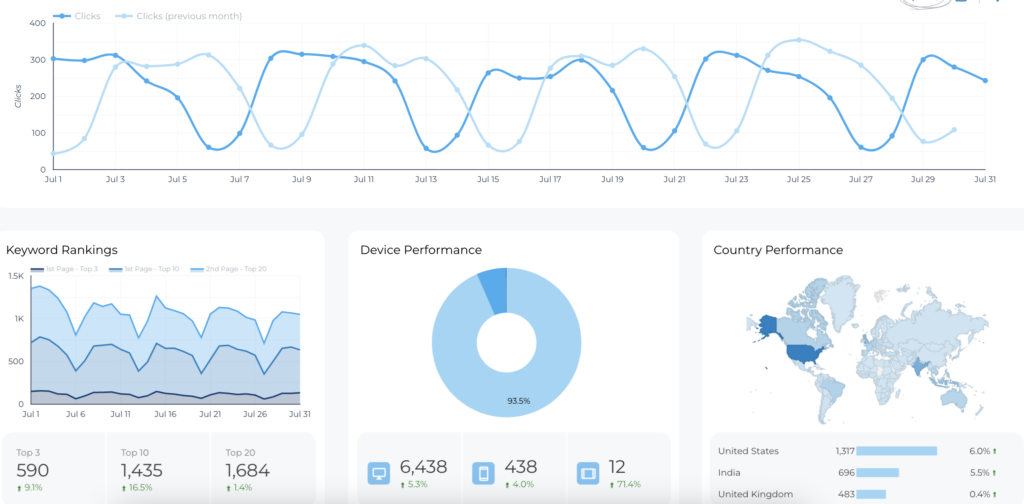
    Maximizing ROI with Looker Studio’s Digital Marketing Analytics

    Maximizing ROI with Looker Studio’s Digital Marketing.How? Lets get started.

    If you’re like most business owners, you’re probably always on the lookout for new and innovative ways to improve your bottom line. You may have tried different marketing strategies, or increased your advertising budget, but what if there’s a simpler solution? What if all of your data was available in real-time, so you could make informed decisions on the fly?

    Introducing Looker Studio: the next generation of data analytics. With Looker Studio, you can access all of your data in real time, so you can make informed decisions and take action immediately. No more waiting for reports to be generated and emailed to you – with Looker Studio, you have instant access to all of your data.

    Looker Studio is the perfect solution for businesses of all sizes. Whether you’re a small startup or a large corporation, Looker Studio can help you unlock the power of your data. Don’t miss out on the benefits of real-time data analytics – try Looker Studio today with Zimozi!

    In this post, we’ll take a closer look at Looker Studio and its many benefits. We’ll also discuss how it can help your business thrive in today’s competitive market.

    What Is Looker Studio?

    Looker Studio is the newest feature of Looker, the world’s leading data analytics platform. It allows you to quickly and easily build beautiful data apps without writing a line of code.

    With Looker Studio, you can easily connect to your data, build custom charts and dashboards, and share your apps with your team. You can also embed your apps in your website or blog, or publish them to the Looker App Store.

    Looker Studio is the perfect tool for business analysts, data scientists, and other power users who need to quickly build custom data apps.

    How Looker Studio Works

    Looker Studio is the key to unlocking the benefits of real-time data analytics. It allows you to connect to different data sources, clean and prepare your data, and build interactive visualizations. With Studio, you can easily create custom dashboards and reports that give you the insights you need to make better decisions.

    But how does it work? Let’s take a closer look. First, you connect to different data sources using the built-in connectors. These connectors include popular data sources like Salesforce, Google Analytics, and MySQL, as well as specialty data sources like Facebook Ads and Shopify.

    Once your data is connected, you can use the built-in transformations to clean and prepare your data. This includes things like filtering out duplicate rows, transforming dates and times, and combining multiple tables into a single dataset.

    Once your data is ready, you can use the built-in visualizations to create interactive dashboards and reports. You can also use Studio’s powerful custom scripting language to create custom visualizations and dashboards.

    Benefits of Looker Studio

    You may be thinking, “Hey, I can just use Excel to do all my data analysis.” And you would be right – if you only want to analyze data that’s already been collected. But what if you want to analyze data as it’s being collected? Then you need Looker Studio.

    As a business owner, you need to be able to make quick decisions that can impact the bottom line. But how can you do that when you’re constantly waiting for reports to come back from the data team?

    Looker Studio changes all of that. It gives you direct access to your data so that you can make decisions in real time. That means no more waiting – you can get the answers you need right when you need them.

    And that’s not all. Looker Studio also makes it easier for your team to work together. They can share reports and analyses easily, which means everyone is on the same page and working towards the same goal.

    Leveraging Looker Studio for Real-Time Data Analytics

    Ready to make data analytics your superpower? Looker Studio gives you access to real-time data analytics with its interactive dashboards, along with the ability to query and profile data for deeper insights. With Looker Studio, you can easily monitor the performance of a marketing campaign, get answers to key business questions on-the-fly, and adjust strategies accordingly.

    Just like superheroes, Looker Studio requires a bit of training. Thankfully, it comes with easy-to-follow tutorials and guides, so you can quickly get up to speed with all the features. Once you do so, you’ll be able to reap rewards such as higher customer engagement rates and better ROI from campaigns – which is great for any budding digital marketer.

    Looker Studio Applications and Use Cases

    Looker Studio can be used for a variety of purposes, not the least of which is to make your data analysis faster and more efficient. From tracking customer behavior to optimizing pricing strategies and beyond, Looker Studio provides everything you need to get the most out of your data. Whether you’re an online marketer or a brick-and-mortar shop, you can use Looker Studio’s speedy real-time insights to build better strategies and make decisions quickly.

    Looker Studio has also revolutionized the way businesses manage their marketing campaigns. With its predictive analytics capabilities, you can easily measure the effectiveness of campaigns in real time and make adjustments on the fly if needed. Plus, with its intuitive dashboard design, you’ll easily be able to identify trends and spot potential opportunities that would otherwise be missed. So pull up a chair and dig into some data – Looker Studio will help you stay ahead of the curve!

    Optimizing the Looker Experience With Ad Services

    Ready to unlock the full potential of Looker Studio? Of course, you are! By leveraging Ad Services, you can optimize the Looker experience and get the most out of your data. Imagine waking up in the morning and finding that your most important metrics have grown by a lot more than expected – sounds like a dream come true, right?

    Ad Services can take your seasoned Looker Studio analytics game to a new level. Not only will it increase the accuracy of your data, but it will also make sure that it is presented in a timely fashion. You will be able to make decisions faster and smoother than ever before, allowing you to stay one step ahead of the competition. So if you’re looking for the key to success, this is it!

    Easy Monetization With the Right Digital Marketing Service Provider

    Zimozi – Looker Studio’s digital marketing service provider, We provide a key step in maximizing ROI. We have an understanding of what digital marketing capabilities are necessary to be successful, such as SEO, email campaigns, and paid advertising. With an understanding of the capabilities needed, we are best positioned to help you make the most out of your efforts.

    By working with the right provider like us, you can quickly measure and monitor performance with real-time analytics. Looker Studio’s analytics platform can produce data visualizations that keep track of even the smallest changes in performance. This information helps you determine where your resources should be allocated and make adjustments quickly when needed.

    You also gain access to a team of experienced professionals who can provide expert guidance and advice as you navigate your digital marketing efforts. With our help, you can build strategies that will maximize returns and get better results from each campaign or initiative.

    The combination of data-driven insights and expert guidance means you will achieve your ROI goals faster than ever before.Reach us now!

    Analyzing ROI With Looker Studio

    You understand the importance of tracking metrics with Looker Studio. Now that you have insight into how to measure digital marketing analytics, it’s time to analyze them and maximize your ROI.

    Looker Studio is an advanced data analytics platform that offers services for calculating and analyzing various marketing metrics for digital marketing campaigns. With Looker Studio, you can easily access insightful data on how your campaigns are performing in terms of engagement, cost, reach, conversion rates, customer lifetime value, and more.

    To get the most out of Looker Studio’s services and maximize your ROI, try incorporating A/B testing into your campaigns. This way you can compare multiple versions of a campaign at once and hone in on better strategies for success. Additionally, utilize multi-touch attribution models to track which marketing tasks are driving the most conversions—and therefore justify more investment. Finally, use segmentation tools to target specific audiences based on location, device type and other criteria for high-level insights into customer behavior.

    By using Looker Studio alongside these digital marketing techniques for measuring ROI, you’ll be ready to start optimizing your campaigns—and boosting conversion rates—like never before!

    Solutions to Increase ROI With Looker Studio’s Digital Marketing Analytics

    Looker Studio’s digital marketing analytics can help you maximize your ROI, no matter the size of your business. By leveraging their solutions, you’ll be able to quickly identify which strategies are working best and make adjustments as needed. Here are some of the ways Looker Studio can help increase ROI:

    Comprehensive Analytics

    Looker Studio provides comprehensive analytics that allows you to measure success across all marketing channels, so you know exactly where to increase investments and where to cut costs. They also provide a variety of visualizations and reports to further drill down into the data, so you can understand exactly how each component is performing and adjust your strategy accordingly.

    Automation

    Looker Studio offers automation tools that let you automate mundane tasks, freeing up time for more important tasks like data analysis. This can reduce costs associated with hiring extra manpower and reduce time spent on repetitive tasks.

    External Data Integration

    With Looker Studio’s external data integration, you can bring in additional datasets from third-party sources to further refine your results and identify trends that may not have been previously visible. This allows for a deeper level of data analysis than what would be possible with just internal data alone.

    Know the Benefits of Choosing a Professional Digital Marketing Service Provider

    By using Looker Studio to maximize your business potential, you can rest assured knowing that you’re reaching the right audience for your brand. Zimozi’s expert team of digital marketers will help you create a comprehensive digital marketing strategy tailored to meet your business goals. Here are some of the benefits of choosing a professional digital marketing service provider:

    1. Increased Reach – Reach more customers with targeted campaigns that appeal to their needs and interests.
    2. Improved Efficiency – Integrate automated processes into your digital marketing operations, allowing for greater accuracy and faster completion times.
    3. Enhanced Brand Reputation – Looker Studio can help build trust in your brand by creating a presence online that conveys your company’s mission and values.
    4. Cost Savings – Streamline campaigns by leveraging Looker’s advanced analytics to make sure you’re getting the most out of every dollar spent on digital marketing efforts.
    5. Measure Results in Real-Time – With Looker’s dashboard monitoring capabilities, you’ll always have access to the latest insights into how your campaigns are performing and how effective they are being received by a potential customer

    Conclusion

    At the end of the day, it’s clear that Looker Studio is a powerful tool that can unlock a lot of benefits for businesses. With the ability to get real-time data analytics, you can make sure that you’re always making the most of your data and that you’re always improving your marketing efforts. If you are looking for the best digital marketing service provider then Zimozi is the right contact. Thanks for reading!

  • How to Tap into the Benefits of Google Ads for Business Success

    How to Tap into the Benefits of Google Ads for Business Success

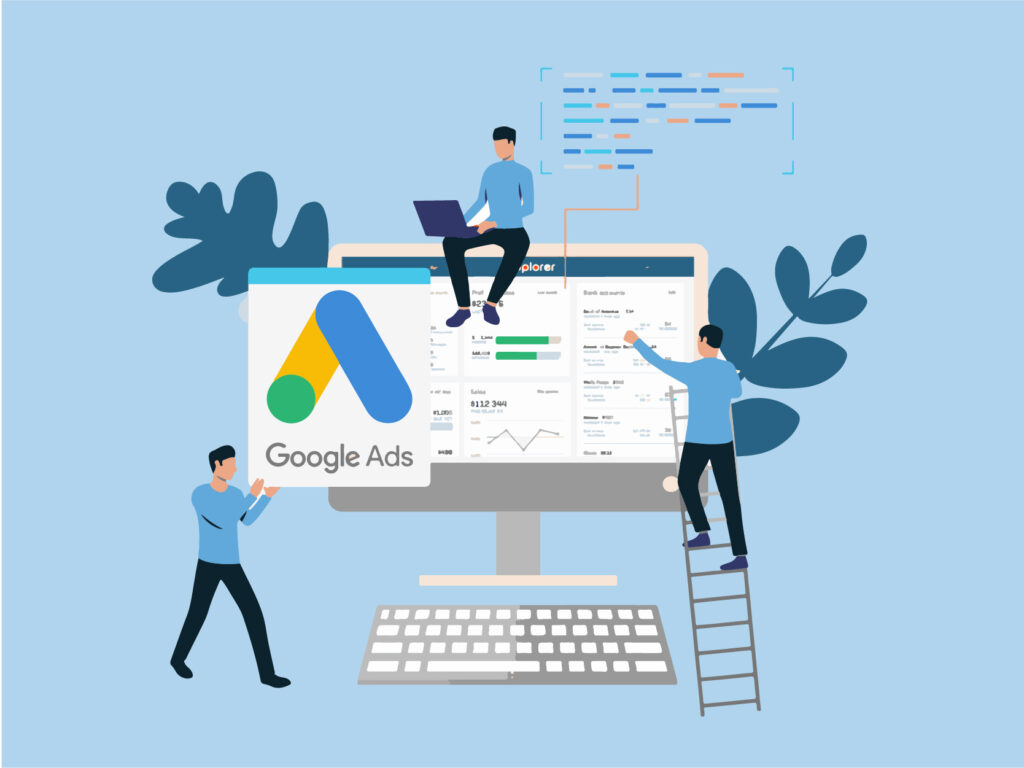
    Google Ads is a powerful tool for businesses of all sizes. Creating targeted ads and using effective keywords can reach more customers and drive more traffic to your website.

    In this blog, we’ll show you how to get started with Google Ads and reap the benefits for your business. We’ll cover the basics of creating ads, targeting your audience, and setting your budget.

    We’ll also show you how to track your results and optimize your campaigns to get the most out of Google Ads. So read on and learn how to use Google Ads to grow your business!

    What Is Google Ads and How Can It Help Businesses?

    Google Ads is a great way to promote your business to potential customers – and it’s free! (Well, sort of free. You have to spend a little money to make money.)

    Google Ads is a service that allows businesses to place ads on Google.com and millions of other websites across the web. When someone searches for a product or service that your business offers, they may see your ad as a result.

    Google Ads can be a great way to reach new customers and increase traffic to your website. It’s also a great way to get your business in front of people who are already interested in what you have to offer.

    Types of Google Ads Campaigns

    Imagine you’re a small business owner. You’ve put in the blood, sweat, and tears, and you’ve finally gotten your business up and running. But there’s one problem – you’re not getting as many customers as you’d like. What do you do?

    You could try to increase your marketing budget, or you could start using Google Ads. Google Ads is a platform that allows businesses to create online ads that will appear when people search for specific keywords.

    There are two important types of Google Ads campaigns: search and display. Search campaigns are those that appear when someone searches for a specific keyword on Google. Display campaigns are those that appear on websites across the internet.

    Both types of campaigns can be successful, but it’s important to choose the right type of campaign for your business.

    How to Set Up a Successful Google Ads Campaign

    Congratulations on making the decision to invest in Google Ads! Now that you have, it’s time to roll up your sleeves and get to work. But don’t worry, we’re here to help. Zimozi makes your Campaign a huge success.

    In order to make sure your campaign is successful, you’ll need to do a bit of research and create a strong strategy. Here are a few tips to get you started:

    1. Know your target audience: Who are you trying to reach?
    2. Choose the right keywords: What words or phrases are people most likely to use when searching for your product or service?
    3. Set a budget: How much can you afford to spend on ads each month?
    4. Create compelling ads: What will grab people’s attention and make them want to learn more?

    Tips for Optimizing Your Google Ads Strategy

    So, you’ve decided to take advantage of the pleasantries that Google Ads offer. That’s great! But if you want to optimize your Google Ads strategy, you should take into account some of these tips: firstly, keep it simple – don’t forget that the goal is to grab attention, not baffle people; secondly, have a clear objective – know what is it you’re trying to achieve with your ads; thirdly, carefully track your performance – this will help you measure the success or failure of your campaigns; and finally, pay attention to design – remember that a good design can go a long way in catching people’s attention.

    The most important thing here is not just to trust Google with everything but to also listen to what experts say and use it as a guide in crafting an effective ads strategy. Good luck out there!

    Measuring the Success of Your Google Ads Campaigns

    But how will you know if your Google Ads campaign is successful? You will need to measure its performance. You may not have expected to become a statistician, but that’s what you need to do.

    You’ll want to track and analyze the metrics of your campaign, such as the number of clicks, impressions, and conversions. It doesn’t have to be daunting – there are plenty of tools out there that can make it easier for you. And when you see that money rolling in from your successful marketing campaigns, it’s all worth the effort! So don’t be afraid to roll up your sleeves and crunch some numbers – after all, success doesn’t come easy!

    Measuring and analyzing ad performance and ROI

    Measuring and analyzing the performance of your Google Ads campaigns is like taking a breathalyzer after a few too many rounds at the bar; it’s necessary to see how well you’ve done and what you should do differently. You should look at various metrics to get an idea of your ad performance, such as impressions, clicks, and click-through rates.


    You should also take a look at how much you spent and compare it to how much you made from the Google Ads campaign. This will help you understand your return on investment (ROI). It doesn’t matter if your Google Ads campaigns are delivering impressive figures — if the ROI isn’t up to snuff, then there’s no point in spending money on it. So keep an eye on that ROI number, like watching a schoolyard for potential bullies.

    Finding the Right Google Ads Service Provider for Your Business

    So you’re ready to take the plunge and tap into the lucrative world of Google Ads. But before you do, it’s important to find the right service provider for your business. With so many agencies out there, it can be tough to weed out the wheat from the chaff.

    You need someone who understands your vision and goals, works hard to keep up with digital trends, and sticks by you through thick or thin. Zimozi believes in providing the best possible PPC services & support to clients.

    Our services include all types of PPC campaign setup & optimization on Google. We have good references and a solid track record!

    Help your business grow

    Conclusion

    If you’re not convinced yet, just think about how much business you’re leaving on the table by not using Google Ads. It’s like having a free, unlimited focus group of people who are interested in what you have to offer. All you have to do is provide them with the right content and target the right people.

    So what are you waiting for? Start using Google Ads to help your business grow today.

  • Unleashing the real power of mobile applications of your organization

    Unleashing the real power of mobile applications of your organization

    Mobile applications are in high demand nowadays and everybody wants to have one for their business. Small businesses can benefit from a mobile app in many ways – it can help them reach a broader audience, improve customer engagement, and boost sales.

    Developing a mobile application is not a difficult task, but there are certain best practices that must be followed to ensure a successful outcome. In this guide, we will take you through the entire process of mobile application development, from start to finish. We will also provide some valuable tips and resources that will help you along the way for getting the most out of your mobile application-powered — Discover how you can use mobile applications to make your business more efficient.

    What is Mobile Application Development?

    Mobile application development is the process of creating a mobile application for mobile devices such as smartphones and tablets. It involves identifying the user needs, developing the application, and testing it for performance and reliability. Mobile apps are typically developed using various programming languages, such as Objective-C, Java, and Swift.

    Developers use these languages to code the app according to the device’s platform – iOS, Android, Windows, etc. Along with coding, mobile developers also engage in UI/UX design, which is the process of creating an intuitive and attractive interface for the users.

    This allows developers to create a well-designed app that is easily understandable and visually appealing.

    The Need for Mobile Application Development

    The need for mobile application development arises when businesses wish to engage their users more deeply than they can with a website. Mobile applications offer more features, functionalities, and options that can help businesses stay ahead of the competition in their respective markets.

    Furthermore, mobile apps offer better customer service, as they allow users to communicate and interact with businesses in a much more efficient way. Businesses can also use mobile applications to better understand their customers’ needs, as they can collect data and analyze it to determine which features to develop and how to better optimize their services.

    From streamlining customer service to tracking inventory, we’ll show you the best ways to use mobile applications to improve business operations.  

    Mobile application development is becoming increasingly popular, with more businesses and organizations looking to leverage the power of mobile applications to reach their customers. Developing a mobile application from scratch can seem like an overwhelming and daunting task but it it is one of the most rapidly evolving areas in technology today.

    With advancements in mobile technology and software, more companies are turning to experts to develop custom mobile application for their business needs. The trends that are driving this growth include the increasing demand for user experience, faster development cycles, and improved security protocols.

    The Simple Process of Mobile Application Development From Scratch

    Mobile application development starts with the specification phase, where the developer creates a detailed list of the features and functionalities that must be included in the app. After this, the developer begins to design the app’s UI/UX and develop the code.

    Once the development process is finished, the app is tested for errors and performance. If any issues are found, the developer fixes them before submitting the app for approval. The approval process involves submitting the app to different stores (Apple App Store, Google Play Store, etc.) for review. These stores perform their own tests to ensure that the app is safe and secure. After the app is approved, it can then be released to the public.

    To help you get started on your project, we have outlined the below steps to develop a mobile application from scratch:

    • Identify Your Audience: Before you start building your mobile application, it is important to take the time to identify your target audience. Knowing who will use your application will help you determine the features and functionality of your app.
    • Research & Ideation: Once you have identified your audience, it is time to research the market and generate ideas for what kind of app to build. You can look at similar apps in the market and also make use of various online tools such as mind maps or wireframing tools.
    • Design & Wireframe: This step involves designing how each page of the application will look like.

    As technology advances, mobile application development trends are constantly changing. With the advancement of new and innovative technology, the demand for mobile applications increases.

    Businesses now have to keep up with the latest and greatest trends in order to stay competitive. 

    The advent of mobile phones has opened up a world of possibilities for businesses who want to tap into the convenience and worldwide reach that comes with a mobile presence. Mobile application development is no longer just about creating an app that looks good: businesses need to ensure their apps are robust, secure, and user-friendly in order to survive in today’s highly competitive market.

    As such, developers must be aware of the latest trends in mobile application development in order to stay ahead of the curve. 

    Using Your Mobile App to Reach a Broader Audience & Increase Engagement

    The proliferation of mobile apps has changed the way businesses reach and engage with their customers. As more people are accessing the internet through mobile devices, it is becoming increasingly important for businesses to leverage a mobile app to increase their reach and engagement with their target audience.

    With a well-designed mobile app, businesses can take advantage of various marketing strategies such as leveraging user data to create targeted campaigns, pushing timely notifications, and providing personalized experiences for users. Additionally, by optimizing your mobile app for different platforms (iOS, Android etc.), you can expand your reach even further.

    In all these ways, using a mobile app can help businesses reach a broader audience and improve customer engagement.

    Mobile applications can unlock your business’ potential and position you as an industry leader. Learn how to leverage mobile applications to boost productivity, increase customer engagement and help you improve operational efficiencies in this hands-on course.

    With the right approach, you can use your mobile app to effectively target potential customers, showcase your products and services, provide engaging content, and even create loyalty programs for existing customers.

    Mobile application marketing has become increasingly popular as more people are using their phones and tablets for shopping, entertainment, communication, and more. By leveraging the right strategies and technologies within your mobile app, you can tap into new markets, build relationships with potential customers, increase user engagement, and ultimately generate more revenue.

    Some of the most popular mobile application types include social media, eCommerce, gaming, utilities, entertainment, productivity apps and more. As technology advances and new innovations hit the market, the range of mobile application types continues to grow.

    The Various Stages of Mobile Application Development

    Mobile application development typically involves several stages, such as research, design, coding, testing, and approval. Research involves gathering information about the target audience, competitor’s offerings, design trends, and market needs.

    Design includes creating a UI/UX that is both attractive and intuitive. Coding is the process of writing the code using programming languages like Objective-C, Java, and Swift. After coding is complete, the app is tested with various tools to ensure it meets all the requirements. Finally, the app is submitted to the relevant stores and (hopefully) approved.

    Testing and Approval of Mobile Applications

    Testing and approval is an important step in the mobile application development process. Testing involves running different tests to check for bugs and errors in the app. Developers usually use certain tools and techniques to test their apps before submitting them for approval.

    Cross-device testing, for example, is a useful tool for making sure the app runs smoothly on all devices. Once the app passes all the tests, it is then submitted to the relevant stores for approval. App stores run their own tests and reviews before approving the app. After the app is approved, it is ready to be released and can be downloaded by users.

    Conclusion

    The process of mobile application development takes time and requires a lot of effort. However, with the right resources, knowledge, and team, a quality app can be created by us, Zimozi Solutions that can help businesses reach a larger audience and stay ahead of the competition.

    Researching the market needs, designing a user-friendly interface, writing the code, testing, and submitting the app for approval are all crucial steps to the mobile application development process.

    To know more, you can Following these steps will help ensure that the app is error-free, secure, and able to deliver optimal performance.

  • Why it is a must to have Google Analytics?

    Why it is a must to have Google Analytics?


    Google Analytics is a free web analytics tool that helps you understand how people use your website. It also lets you track the performance of your site’s content, advertising, and marketing efforts. The Google Analytics intelligence capabilities can help you make informed decisions about where to spend your advertising budget by showing you which content performs best on different pages of your website. Worried about your business growth? Get the insights you need to improve your marketing with Zimozi.

    Measuring growth is important for businesses because it allows companies to track their progress and performance over time. It helps them identify areas where they are excelling and the areas that need improvement.

     By monitoring growth, businesses can make informed decisions about how to allocate resources, such as marketing and development, to maximize their potential for success. Additionally, measuring growth can help businesses identify trends and patterns in their industry, which can help them stay competitive and anticipate future changes.

    Measuring growth helps businesses stay on top of their performance and make strategic decisions to drive continued success.

    Measuring growth using Google Analytics

    Measuring growth using Google Analytics involves tracking key metrics that indicate the performance of your website or app. These metrics can include:

    Traffic: This metric measures the number of visitors to your website or app. This can include both new and returning visitors.

    Sessions: This metric measures the number of times a user interacts with your website or app. A session can include multiple pageviews or events.

    Bounce Rate: This metric measures the percentage of visitors who leave your website or app after only viewing one page. A high bounce rate can indicate that your website or app is not meeting the needs of your visitors.

    Conversion Rate: This metric measures the percentage of visitors who take a specific action on your website or app, such as making a purchase or filling out a form.

    Revenue: This metric measures the total amount of money generated from your website or app. This can include both online and offline revenue.

    By tracking these metrics over time, you can see how your website or app is growing and identify areas for improvement. You can also compare your performance against industry benchmarks and your own historical data to see how you are performing relative to your own past performance.

    Advance user dashboard

    The dashboard is the main page of Google Analytics. It provides a quick overview of your website’s performance and lets you see where it stands in relation to competitors, as well as how visitors find you and what they do when they get there.

    You can access the dashboard from any page on your site by clicking on it in either the top right or top left corner (depending on whether or not there are any other components visible).

    The first thing that will appear is an image called “Google Analytics Dashboard.” This image represents all data points collected by Google Analytics over time. If you scroll down further, another section appears entitled “Overview” with more details about each metric represented here:

    Google Analytics Segments Google Analytics segments are groups based on similar behavioral patterns and/or websites that share a common characteristic. You may create up to five segments, and each one will appear at the top of your screen. These segments can then be used to filter other data (such as visitors) or isolate the data for analysis within Google Analytics itself. For example, you may want to keep certain visitors separate from others in order to monitor their behavior more closely; this could be done by creating a segment for those visitors and adding them to a new section of your site called “Test” where they will only see pages that have not yet been published live. 

    Detailed and well-integrated e-commerce reports

    Google Analytics is a powerful tool for e-commerce businesses. It can help you track the performance of your online store so that you know what’s working and what isn’t.

    If your site has a lot of traffic and sales, then Google Analytics will show you which products are selling well and which ones aren’t. This is useful information because it allows you to focus on those products in future updates or campaigns if they’re underperforming.

    The ability to customize the data display

    As you can see, there are many reasons to have analytics in your business. But the ability to customize the data display is one of the most important ones. You can create custom reports, dashboards, and segments that will allow you to better understand what’s going on in your business.

    Optimize your site using Behavioral Flow Reports

    Behavioral Flow reports are a type of report that helps you understand how users interact with your site. It shows the path that users take to complete a task on your site and also helps you understand where they drop off and why.

    What’s a Behavioral Flow Report?

    Behavioral flows are the sequence of steps that visitors take when they visit a website, app or other digital experience (e.g., e-commerce). This can include pages, features, and forms but does not include product pages or search results pages (although these will show up if you have any products in those sites).

    The Google Analytics intelligence capabilities

    Google Analytics Intelligence is a new feature that helps you analyze and understand your website traffic better. It provides insights into the actions of your visitors, and how they interact with your content. You can use this information to improve your site’s user experience and increase conversions.

    In addition to data on page views, visits and sessions, Google Analytics Intelligence also tracks user engagement such as bounce rate (the percentage of visitors who leave after visiting only one page) or time on site (the total amount of time spent by users on each page).

    Google Analytics Intelligence also provides you with a deeper understanding of your site’s users through engagement data, including what devices they’re using and which pages they’re most interested in. You can use this information to tailor your marketing strategy and optimize your website for mobile devices.

    Make use of annotations to document your progress

    To use annotations, you need to first create a new annotation that will be used for your note. You can then add notes to the annotation by clicking on it and entering text in the editing window.

    Annotations are useful when you want to add additional information or highlight particular data points. This is especially helpful if there’s something specific about one of your metrics that should be more prominent than others (for example, if someone has clicked on a certain button 100 times). Annotations can also be used when creating links between different parts of an Analytics report so users can easily navigate between them based on their preferences or interests—for example: “I like this metric because…”

    Google Analytics can help you understand your website traffic better

    Google Analytics can help you understand your website traffic better. You can use it to get more traffic, understand what content is popular and find out which keywords are most effective for your business.

    Google Analytics also allows you to see what devices people are using when accessing your site, so it’s easy to make sure that the site works well on all platforms and devices.

    Google Analytics is free, and it can be installed on any website. It doesn’t take long to set up, and once you’re done, the data will start rolling in.

    Google Analytics is an easy way to monitor your website traffic and performance. It’s also a great tool for understanding how customers interact with your site, including what they click on and where they spend most of their time.

    Conclusion

    We believe that Google Analytics is the best tool to analyze your traffic patterns. It will help you understand what is working and what needs improvement on your website. You can also use it to view your competitors’ data, which will give you some insights into how they are doing things differently from you. All in all, it’s an excellent tool for anyone looking for a way to improve their website analytics!

    Get more calls to your business, visits to your website, or customers to your store. SEO, SEM, and SMM are the three mainstream channels to advertise your website. SEO stands for Search Engine Optimization; SEM stands for Search Engine Marketing SMM stands for Social Media Marketing and this one is the newest among the three.

    You are here with a large pool of talents who can deliver diverse projects with varying requirements.

    Simply drop us an email at [email protected]  or Contact Us if you wish to grow your business with Marketing measures.

  • Unlock the Power of Website Application Development for a Highly Successful Business!

    Unlock the Power of Website Application Development for a Highly Successful Business!

    As a business owner, you may be looking for ways to increase your revenue and expand your customer base. One way to do this is by investing in website application development. This is the process of creating custom web applications that can be used to provide a better user experience and increase efficiency.

    Nowadays increased internet usage among corporate companies and individuals has influenced the way businesses are run. So, Businesses use the Internet as a cost-effective communication channel. The Internet lets business exchange information with their target market and makes fast, secure transactions.

    There is a means of processing all the necessary data and presenting the results to the user.

    Let’s discuss it!

    What is a Web Application?

    Users can access a web application from their browsers using web development technologies. Web apps are similar to websites in theory, so web app development and web development share many characteristics. Web app developers, for example, utilize JavaScript, CSS, and HTML on the front end, and Ruby or Python on the back end.

    A web app, however, behaves differently than a traditional website on any device

    A typical web application flow looks like this

    Most web applications are written in browser-friendly languages such as JavaScript and HTML. Dynamic applications require server-side processing, while static applications require no server processing at all.

    An application server manages requests from the client, an application server performs the requested functions, and, sometimes, a database stores the information. Application servers include ASP.NET, ASP, ColdFusion, PHP, and JSP.

    1. Through a web browser or the application’s user interface, the user triggers a request to the web server over the internet.
    2. This request is forwarded to the appropriate web application server by the web server.
    3. After the web application server performs the requested task, it generates the requested results.
    4. Results with requested information or processed data are sent to the web server by the web application server
    5. Upon receiving the request from the client, the web server displays the requested information on the client’s screen

    What is website application development?

    Website application development is the process of creating web-based applications that are tailored to meet the needs of a specific business or organization. These applications are typically built using a combination of HTML, CSS, and JavaScript, and are designed to be accessed through a web browser.

    The goal of website application development is to create an intuitive and user-friendly application that can be used to perform tasks such as data entry, customer relationship management, and eCommerce.

    Website application development is a great way to create a web presence that is tailored to the needs of your business. By investing in website application development, you can create an effective web presence that is tailored to your specific needs. This can help you increase your customer base, increase revenue, and improve the overall efficiency of your business. Please feel free to contact us for any Web Application needs. 

    Reasons why businesses are turning to website application development

    There are numerous reasons why businesses are turning to website application development. First, it allows them to create a web presence that is tailored to the needs of their business. This can help to increase their customer base, increase revenue, and improve the overall efficiency of their business.

    Second, website application development allows businesses to create an intuitive and user-friendly application that can be used to perform tasks such as data entry, customer relationship management, and eCommerce. This can help them streamline their processes and make their business more efficient.

    Third, website application development can help businesses create a better user experience for their customers. By investing in website application development, they can create an application that is easy to use and understand. This can help to improve customer satisfaction and increase customer loyalty.

    Finally, website application development can help businesses increase their visibility online. By creating an application, they can increase their visibility on search engines, which can help to drive more traffic to their website. This can help to improve their bottom line and boost their overall business success.

    What is the advantage of using web apps?

    One of the main advantages of using web apps is that they are accessible from anywhere with an internet connection. This means that customers can access your web app from their laptop, tablet, or smartphone. This can help to increase customer engagement and make it easier for customers to interact with your business.

    In addition, web apps are generally less expensive to develop than traditional software applications. This means that you can create a web app without having to invest in costly software licenses or hardware.

    Finally, web apps are generally easier to maintain and update than traditional software applications. This means that you can make changes to your web app quickly and easily, without having to worry about compatibility issues or other technical challenges.

    Searching for best Web App developers

    We are here in a click

    How to come up with a web app idea?

    Coming up with a web app idea can be a difficult task. However, there are a few tips that can help you come up with a great idea.

    First, you should think about the needs of your customers and how a web app could help address those needs. For example, you could create a web app that helps customers find the best deals on products or services that they are interested in.

    Second, you should think about the technology that is available to you and how it could be used to create a web app. For example, you could create a web app that uses artificial intelligence to help customers make better decisions.

    Third, you should think about the goals of your business and how a web app could help you reach those goals. For example, you could create a web app that helps you increase customer engagement or increase sales.

    Finally, you should think about the trends in the industry and how a web app could help you stay ahead of the competition. For example, you could create a web app that helps you stay up-to-date with the latest trends in your industry.

    How to create a web application?

    Creating a web application is a complex process that requires knowledge of web technologies and programming languages. However, there are a few steps that can help make the process easier.

    First, you should decide on the functionality that you want your web app to have. This will help you determine what technologies you will need to use and what programming languages you will need to learn.

    Second, you should create a wireframe of your web app. This will help you visualize what your web app will look like and how it will function.

    Third, you should create a prototype of your web app. This will help you test the functionality of your web app and make sure it is working correctly.

    Fourth, you should create the back-end of your web app. This will involve writing code to create the database and server-side logic for your web app.

    Finally, you should create the front-end of your web app. This will involve writing code to create the user interface for your web app.

    Tools and resources for website application development

    There are a variety of tools and resources available to help you with website application development. Here are a few of the most popular tools and resources:

    HTML and CSS: These are the two most basic web technologies and are the foundation of all web applications.

    JavaScript: This is a powerful programming language that can be used to create interactive web applications.

    Node.js: This is a popular platform for building web applications.

    React: This is a popular JavaScript library for building user interfaces.

    Bootstrap: This is a popular CSS framework for building responsive web applications.

    WordPress: This is a popular content management system for building websites.

    Webpack: This is a popular tool for bundling and optimizing web applications.

    Git: This is a popular version control system for managing code.

    These tools and resources can be used to create powerful web applications that are tailored to the needs of your business.

    Tips for success in website application development

    Once you have created your web application, it is important to test it thoroughly to make sure it is functioning correctly. This can be done by using automated testing tools or by manually testing the application.

    Once your web application is functioning correctly, it is time to launch it. This can be done by deploying the application to a web server or by using a cloud service such as Amazon Web Services or Microsoft Azure.

    After your web application has been launched, you should monitor it closely to make sure it is functioning correctly. If you find any errors or issues, you should address them as soon as possible.

    Conclusion

    Website application development can be a great way to increase your customer base, increase revenue, and improve the overall efficiency of your business. By investing in website application development, you can create web applications that are tailored to the needs of your business, create a better user experience for your customers, and increase your visibility online.

    Want to make your own web app? Contact Zimozi today and get qualified web developers who are skilled in ways of web app development! With the help of experienced web developers, you can create a web application that is tailored to the needs of your business and can help you achieve your business goals.

  • How advanced the 5 UIUX designing process leads to a successful application?

    How advanced the 5 UIUX designing process leads to a successful application?

    Visual look and feel have a great impact on humans. Most technology firms turn towards the applications’ User Interface (UI) and User Experience Design (UX). It is true that a wonderful UI may create an immediate impression on users, however, an excellent UX can leave a lasting impression. UI (User Interface) and UX (User Experience) are the two main components of digital applications.

    Are you worried about customer satisfaction and ROI?

    Click here to find the best solution.

    What is UX?

    User Experience (UX) Development is the procedure of improving the overall experience of the users when they interact with the application or website in order to achieve its objective to provide maximum customer satisfaction. It keeps customers in mind and creates the basic skeleton of any application. It mainly focuses on wireframing an application and structuring all its components and elements appropriately to create the user flow.

    What is UI?

    The User Interface (UI), on the other hand, is the process of improving the presentation and the interactivity of the web or mobile application. It focuses on the app’s look and interacts with the users. Each screen, page, button, and other visual element you see while using an application is the User Interface of that application.

    Importance of UI and UX design

    • A good UI/UX design increases customer satisfaction and improves ROI. The satisfied clients will be a source of more conversions as they will recommend your business to others as well.
    • A good UI/UX design forces us to know about customers and a proper understanding of the users makes it simple to convert them into loyal customers.
    • Systematic UI/UX design will increase customer satisfaction and enhance your business’s credibility and trustworthiness.

    Zimozi solutions

    Our integrated approach—where visual UI is informed by UX strategy and user research—achieves best-in-industry results that are not only visually stunning, but also uniquely express your brand, drive customer engagement, and accelerate your strategic goals.

    The designing process of UIUX

    UIUX design is a process that involves designing the user interface of an application.

    It includes the

    • Research and Planning
    • wireframe
    • visual design
    • development
    • testing phases 

    1.Research and Planning

    Research and planning is the first step in the process of designing UIUX. It is important to understand your audience, their needs, and wants. Researching them will help you create a great user experience for them. 

    You can use tools such as Qualtrics or Google Analytics to find out more about your users’ behavior on different websites or apps, which will help you in understanding their needs better. You can also conduct surveys online by asking questions like “What do you use this website/app for? Why/How often do you use it? What kind of information do they want from us?” 

    After doing some research, it’s time for wireframes! Wireframes are essentially the blueprint of your design – they offer a basic structure of what the final product should look like when completed with visuals later on (visual design). Visual design focuses on how something looks rather than how it works; so while wireframes show how things function within an app/website’s architecture without any additional elements added yet such as icons/menus etc., visual designs involve adding those things into place along with other features such as animations, etc.. 

    2.Wireframes

    The next step in the design process is wireframing. Wireframes are low-fidelity mockups of your UIUX’s visuals that help you communicate with clients, developers, and other stakeholders about what you’re designing. They’re also a tool for testing ideas and getting feedback from people who aren’t designers—and can be used as mock-ups or prototypes! 

    Wireframes are visualized concepts of how the design works: they show how different components interact with one another onscreen (such as how text appears under certain conditions). They don’t necessarily have to be realistic mockups—they could even just be sketches showing different options for color schemes or layouts so everyone has an idea of what they’re working toward when creating something new together later on down this road. 

    Prototyping is to test the usability of the application before it is actually launched. It offers a cheap and flexible way to test what looks great and is fit for purpose, whether it’s for a mobile app, physical product, or website.

    3.Visual Design

    Visual design is the most important aspect of UXUI. The visual design must be consistent with the brand identity and other applications, as well as your product. In this section, you will learn how to create a visual design for your application in three steps: 

    • Create a mood board of images that inspire you. You can find tons of examples online or even just take pictures from around your house! This step is very important because it helps you get inspired while thinking about what kind of mood you want your app/website/product UIUX to have.
    • Choose colors based on these photos by using color palettes (you can find many great ones here). Now that we know what colors we want our UIUX interface layout to have, it’s time for us actually create some mockups!


    Visual design can affect the user’s behavior and it is an important component of UI design. It connects a lot about a company’s brand and can be influential in how desirable and engaging a product is. Visual Design is not only about selecting the best images, colors, icons, and fonts, but also identifying the appearance of the application that impacts the interaction of its users.

    The visual design of the application or the website is like defining the company’s brand. Finalizing the visual design can affect the users’ behavior and hence it is the most important component of the UI design. Visual Design is not only about selecting the best images, colors, icons, and fonts, but also identifying the appearance of the application that impacts the interaction of its users.

    4.Development

    After you’ve designed your UIUX and created a wireframe, it’s time to develop the final product. This stage involves programming and testing by programmers, testers, and other developers. 

    The first thing that happens in development is that the code for your application is written using programming languages such as C++ or Java (or another language). The logic behind these languages determines what happens when users interact with their applications; this includes filling out forms on websites, posting photos on social media sites like Facebook or Instagram™—and more! 

    To make sure everything works properly once it’s built into an actual physical device (like an iPhone™), testers will test all aspects of what they’ve created: functionality of different pages within the app itself; how well everything integrates together; whether any bugs have been found during testing so far.

    5.Testing and Iteration

    Testing and iteration are two of the most important aspects of designing user interfaces. It’s important to test your designs in order to make sure they are working as intended, but it is also imperative that you iterate on any changes before moving forward with them. 

    Testing can be done using a variety of methods, but there is no single right way to do so. The key thing is that you should always have some kind of testing procedure in place—whether automated or manual—that helps ensure that design decisions don’t put users at risk while they’re trying out your application or website. 

    It’s also worth keeping an eye out for opportunities where more testing might be beneficial: when developing features with new functionality added on top of existing features; when making changes based on user feedback; etc! 

    Why UIUX is essential for business growth?

    UIUX is a must for business growth. It is one of the important investments for any design process. It mainly focuses on the user’s way of viewing the product/application. It increases customer satisfaction and increases the ROI. It helps to raise your brand and assist you to understand your audience better. Finally, it saves time and money.

    UIUX simplifies the complex problem. In this competitive world, the need for UIUX is very important to build a brand name and attract users. If businesses are able to implement user-centric strategies, it would definitely be converted into an increase in customer satisfaction and retention. Thus, it would generate higher business statistics and convert to more revenue. Alternatively, a user experience that’s not carefully applied can decrease conversions drastically. Worried about your complex problems reach out to Zimozi for the best UIUX design solutions.

    Conclusion

    Remember great designs are the “Key” to success. Zimozi Crafts delightful user experiences for your digital products. Solve real problems in just a call and improve your business metrics through creative and innovative interfaces which help you achieve your business goals.

Wait! Don’t Take Off Yet... 🚀

Let us guide your next big move!
1. Custom Project Roadmap
2. Pricing Estimate
3. Completion Schedule
Simply fill out the form and we’ll get in touch with your FREE consultation!